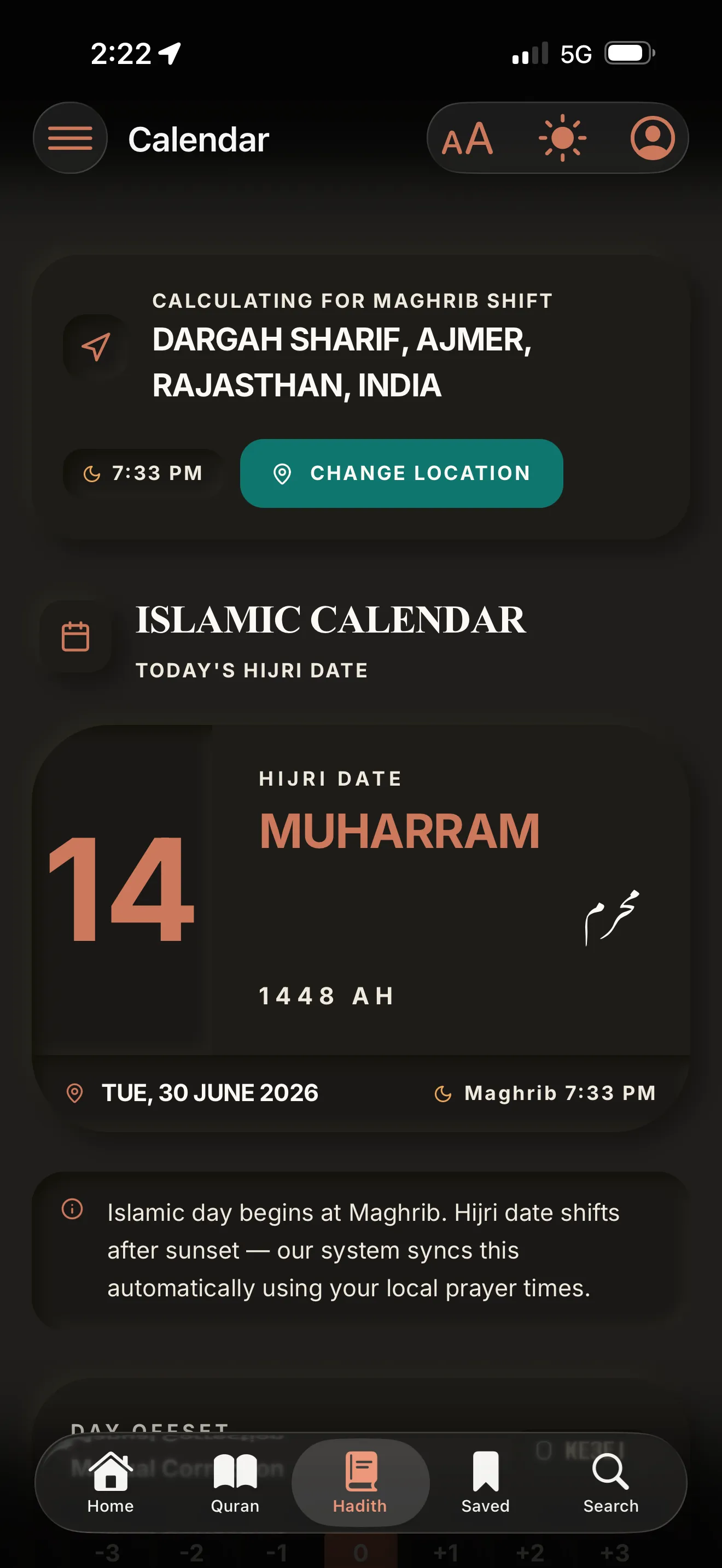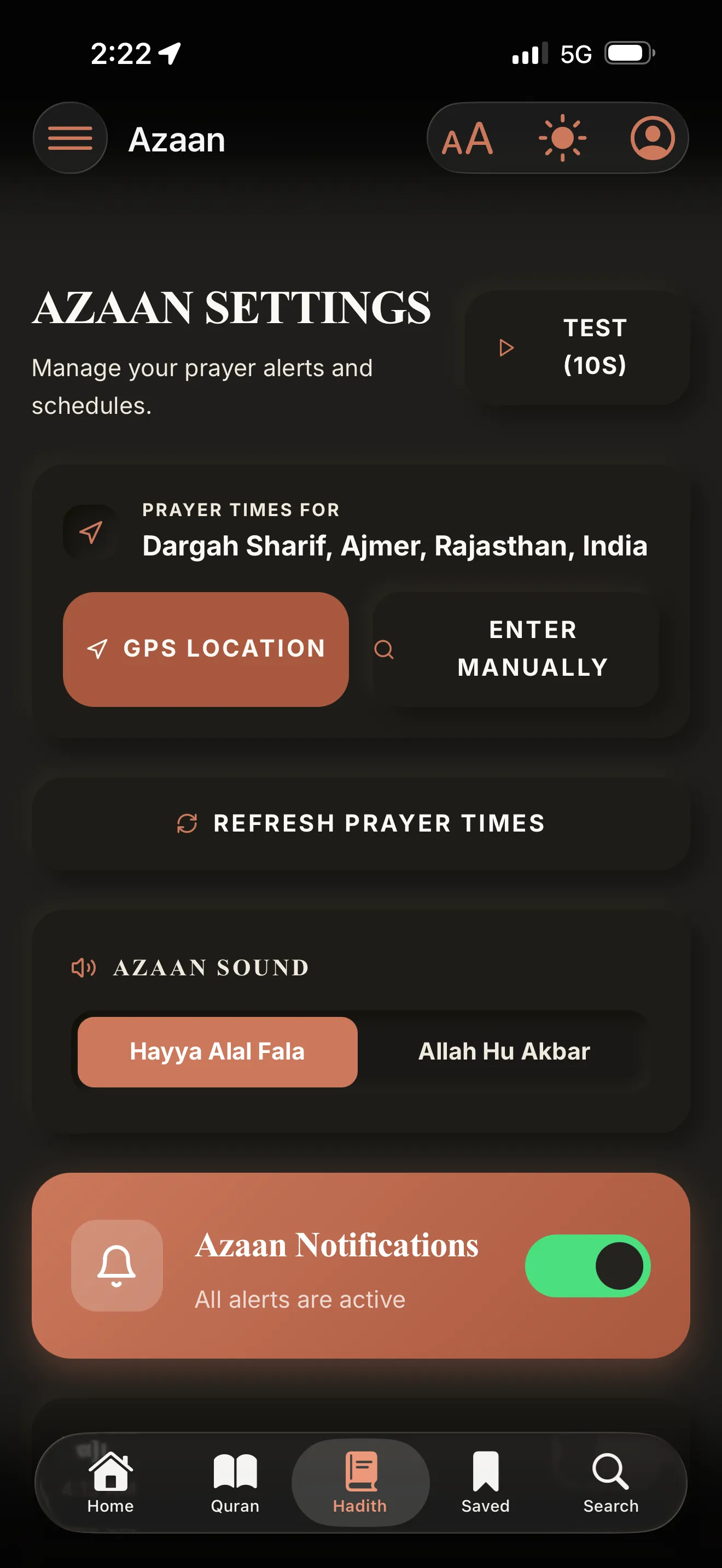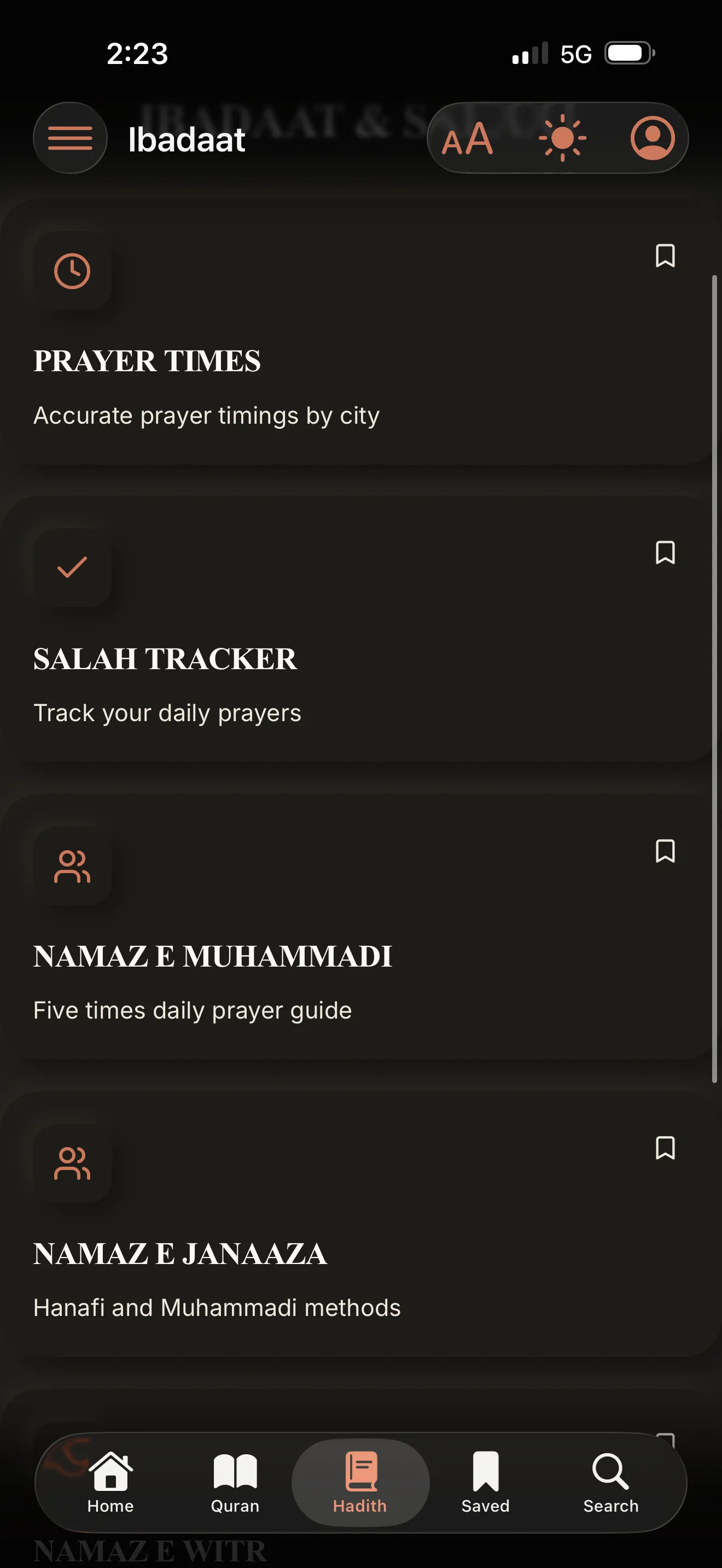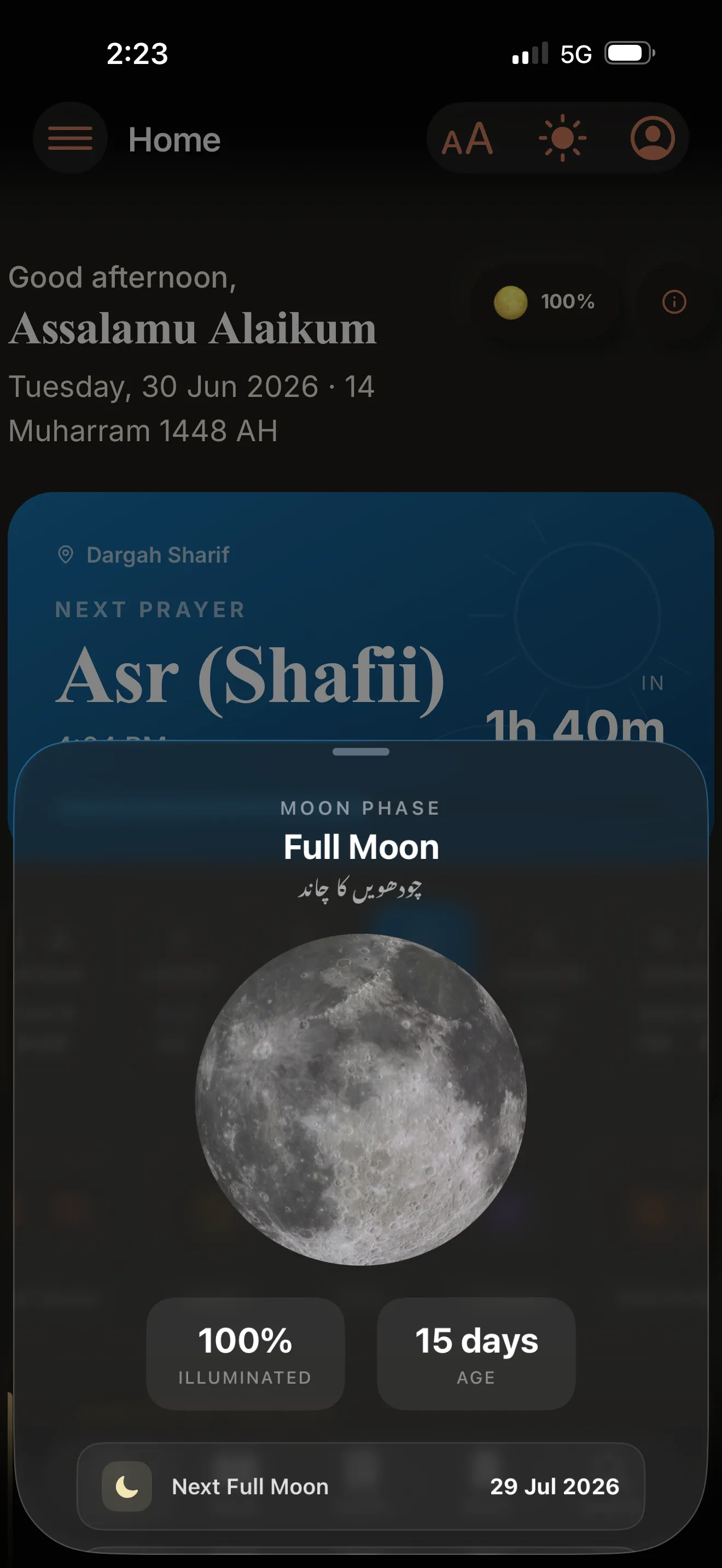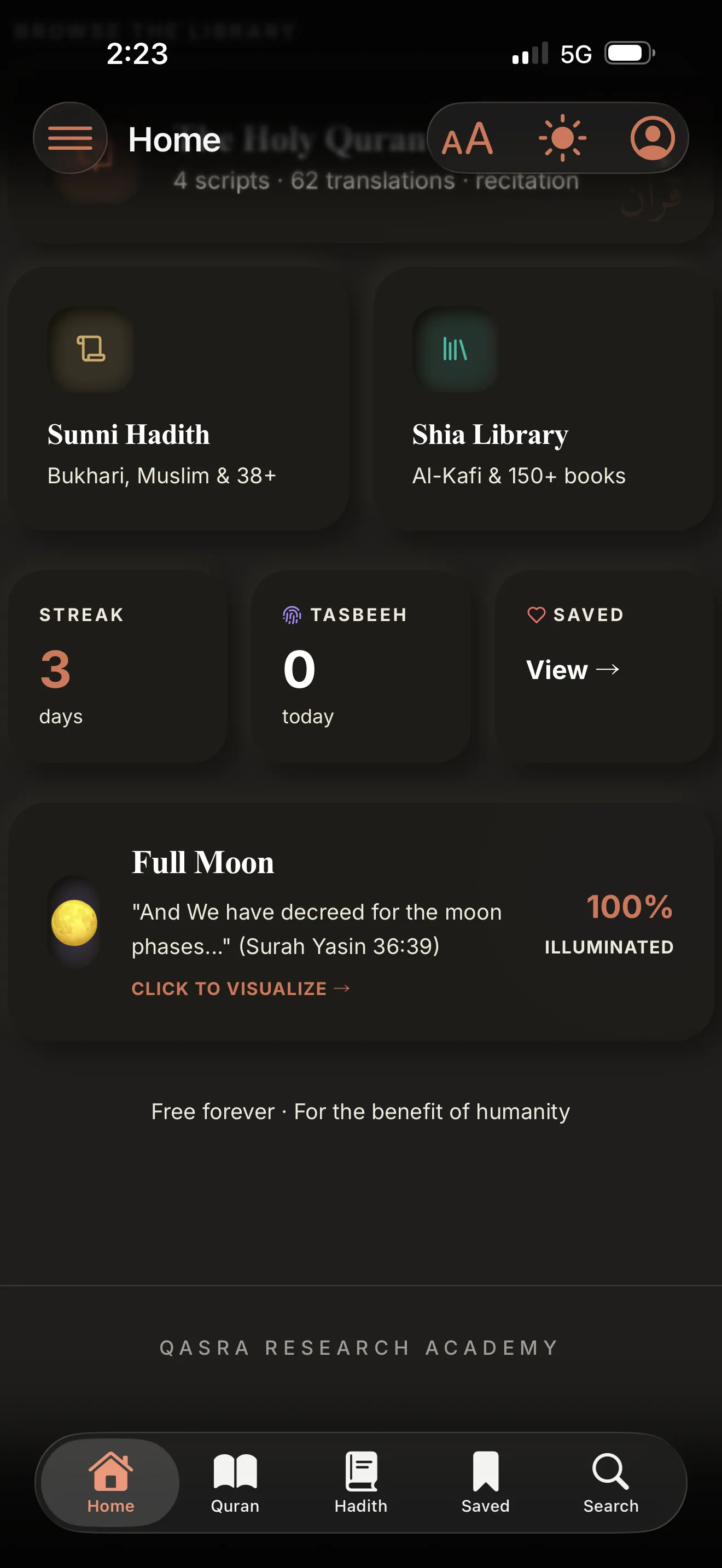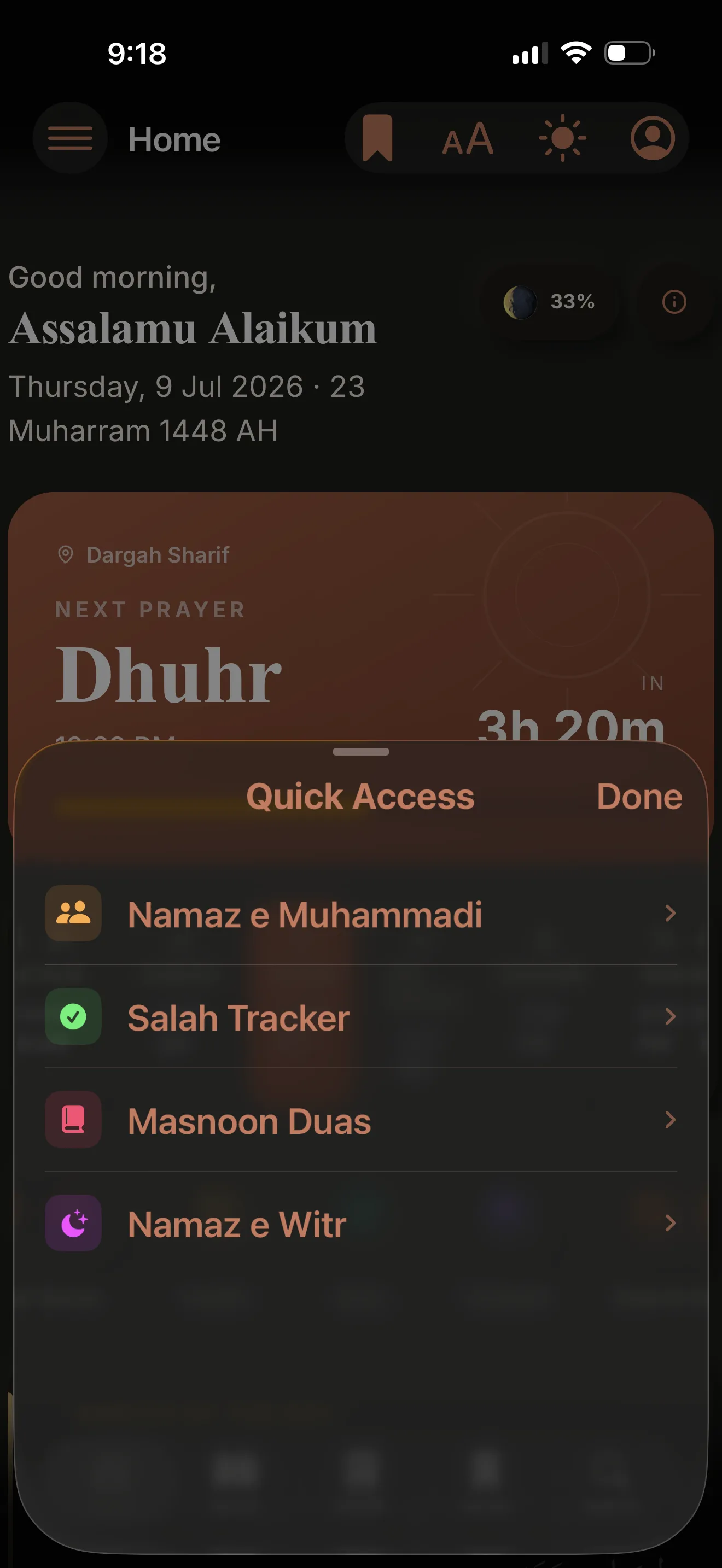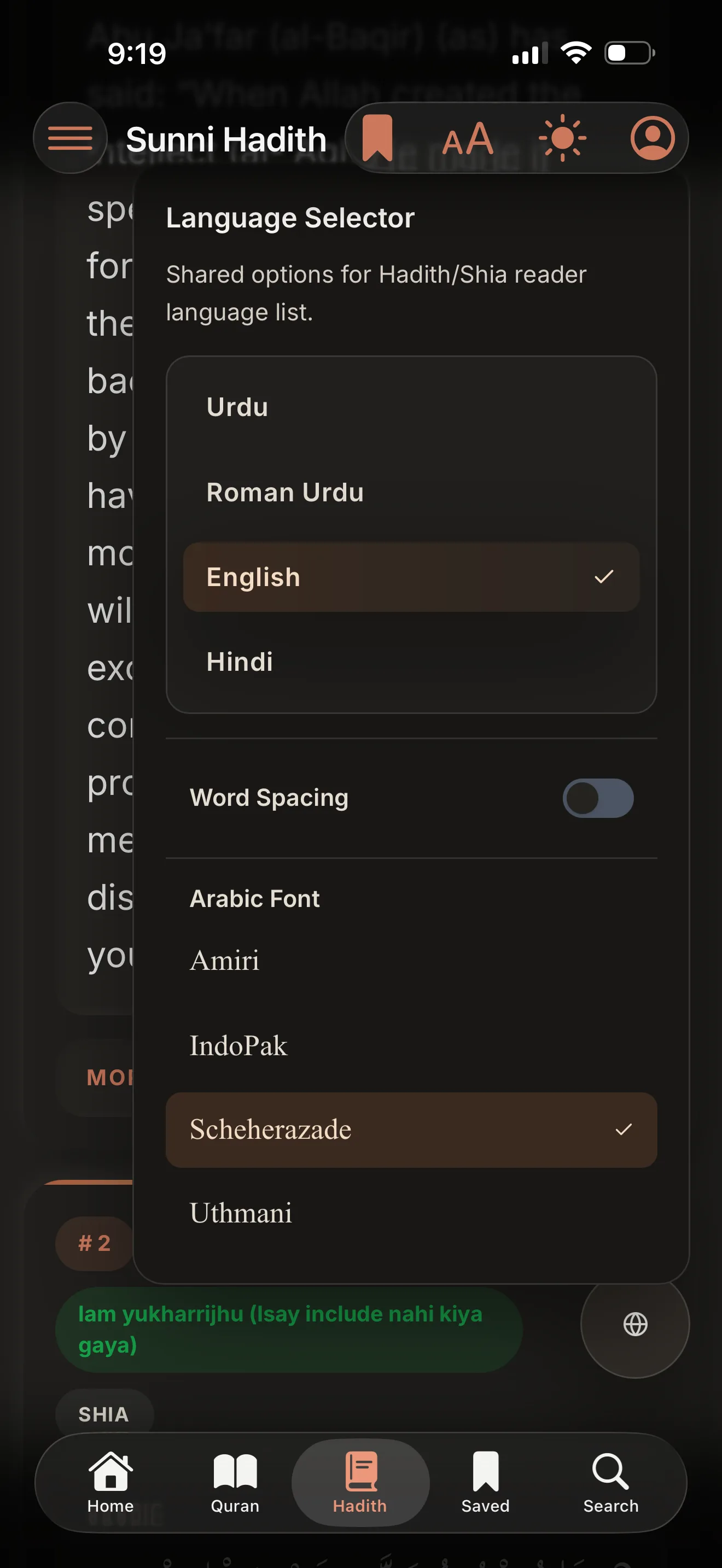

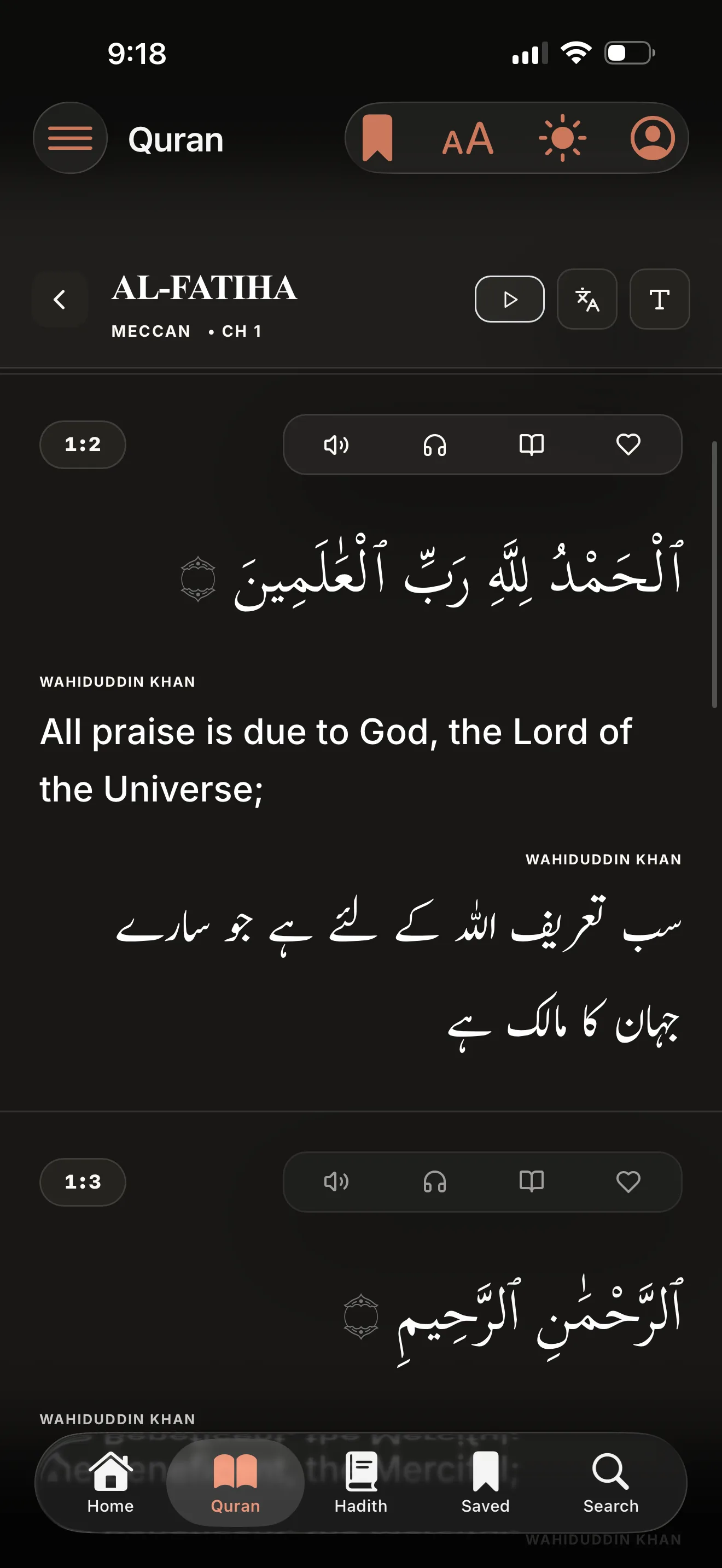
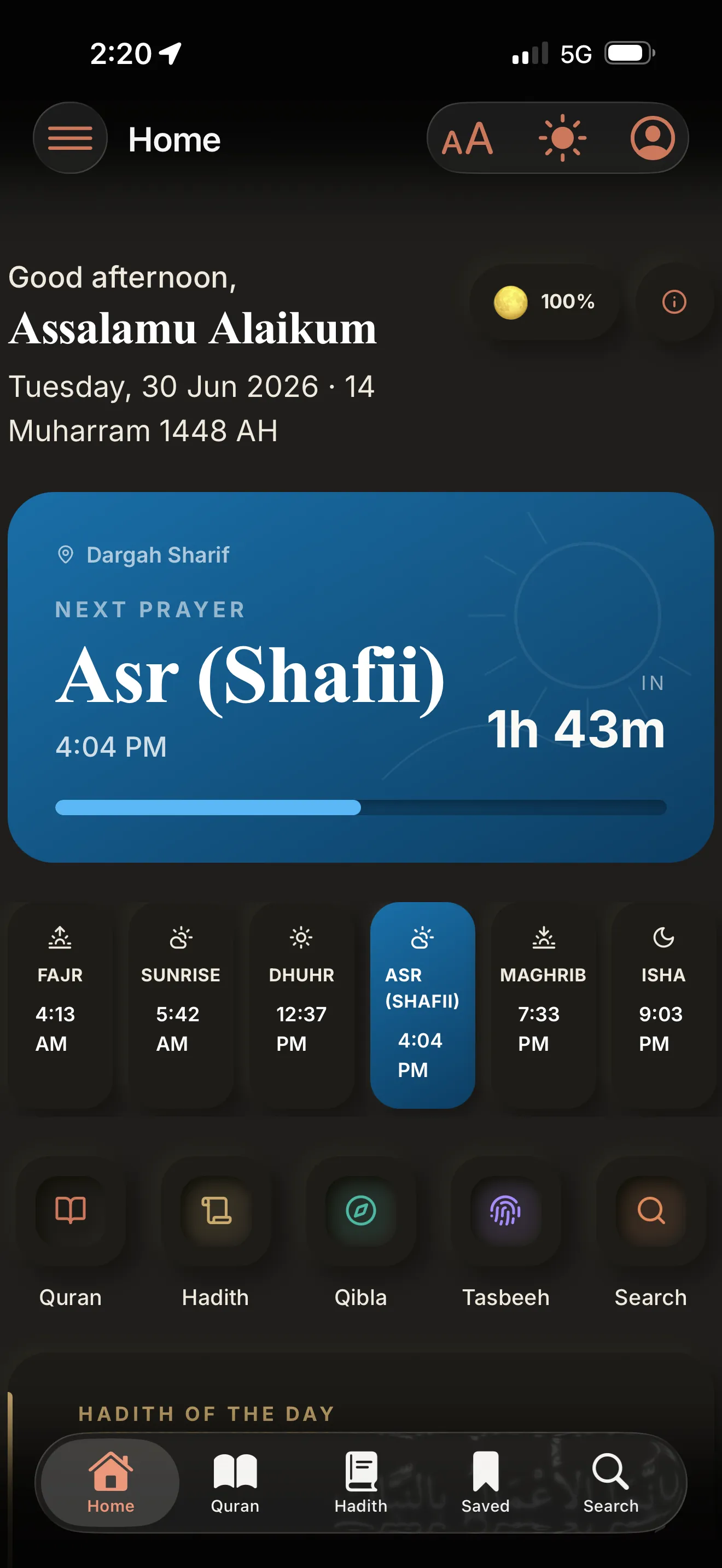
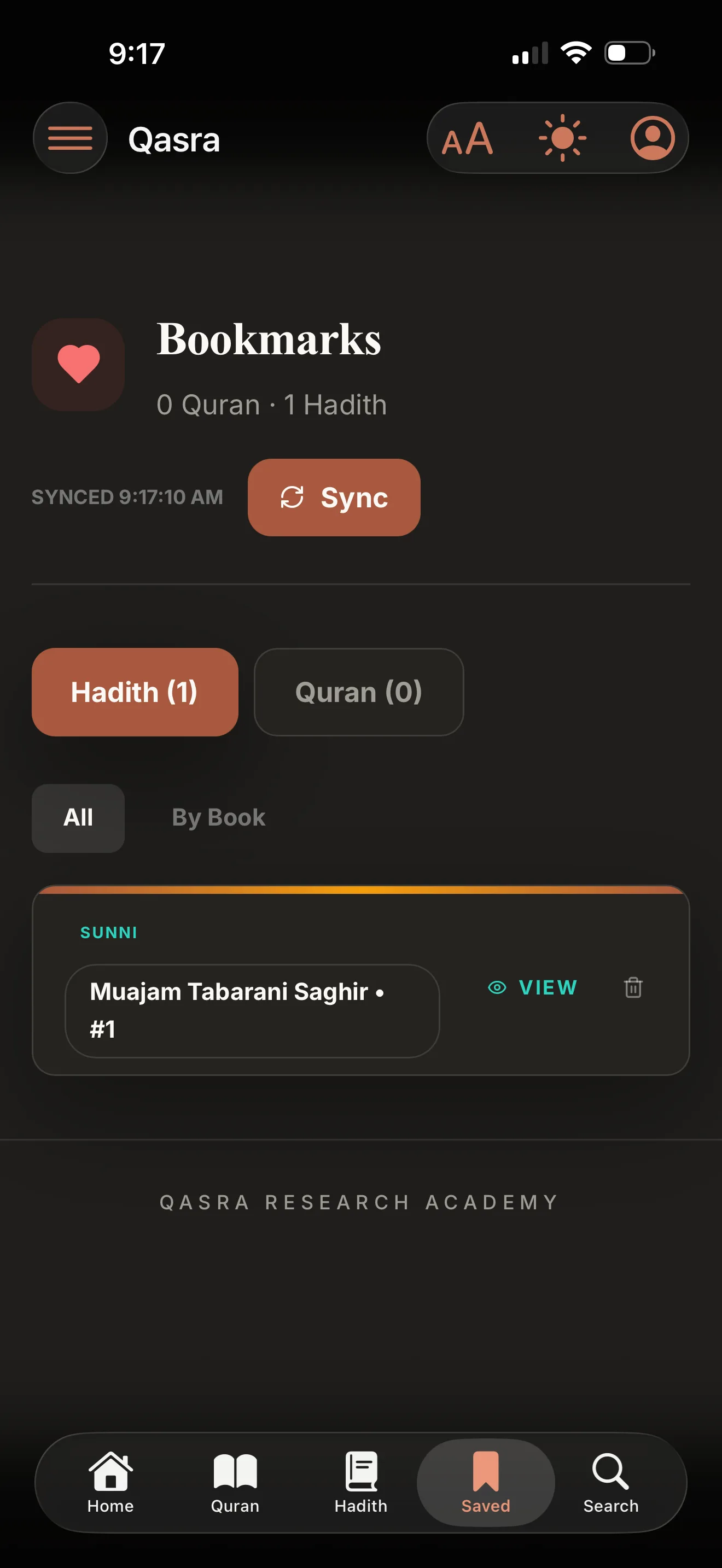
Not another Islamic app with paywalls and ads
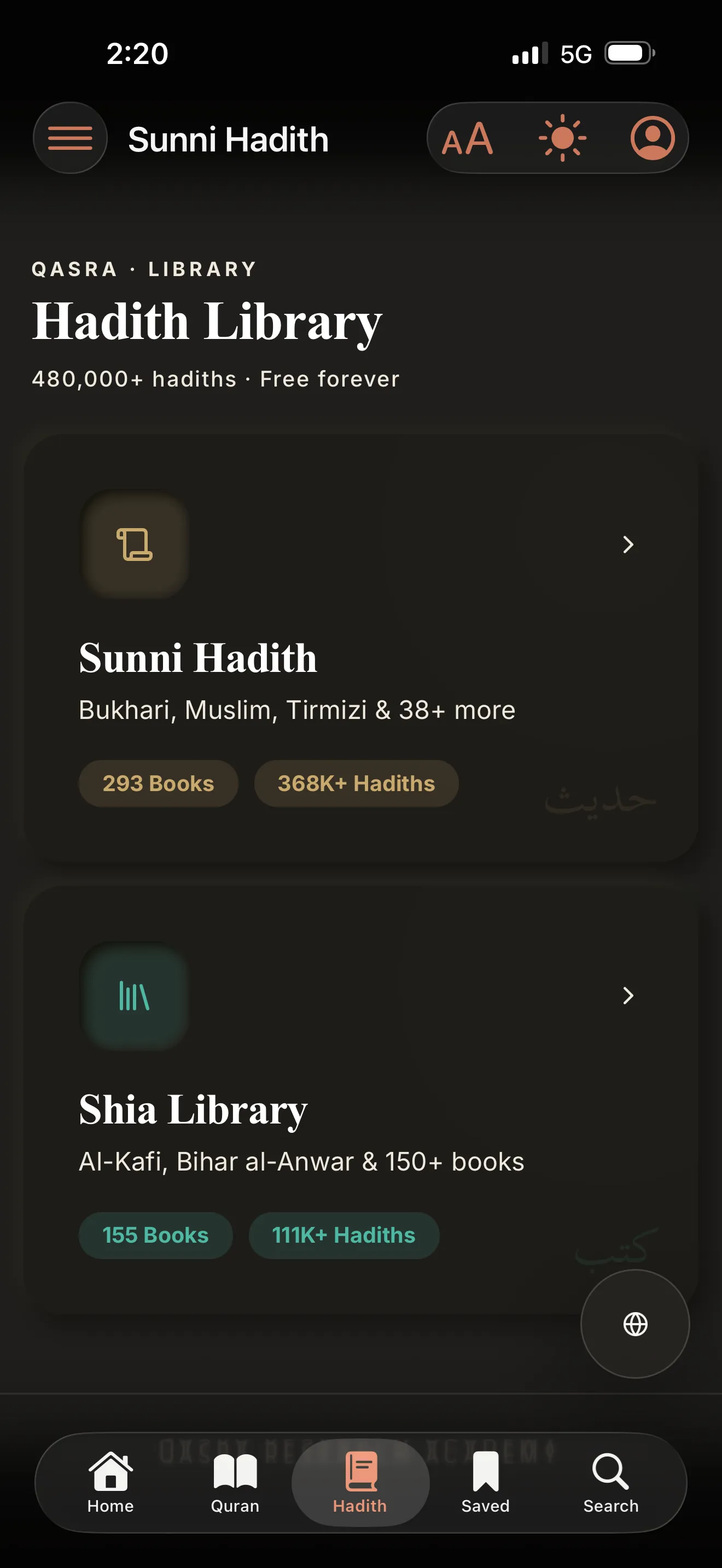
Most Islamic apps shows you ability to read only 6 to 15 hadith books. The rest is locked behind a paywall, and if you somehow get past it, an ad greets you on the next page. Some of these platforms quietly amplify voices that have turned faith into a tool for division, reducing 1,400 years of scholarship into a contest over who can declare the most people wrong.
Islam's foundational message of peace, coexistence, honesty, humility, living with all of humanity, barely shows up in any of it.
We thought about this differently. After the fall of Baghdad in 1258, the centre of Islamic civilisation did not disappear. It shifted. It moved east, to Persia, to Central Asia, and most quietly, to the Indian subcontinent, where the faith took root not through conquest but through the Sufi masters who walked into villages, sat with farmers, and spoke directly to the soul. The greatest of them, Khwaja Moinuddin Chishti ؒ, planted his life in Ajmer and left behind a tradition that still draws millions across faiths and across centuries, because what he carried was not a narrow doctrine but something older and truer than any of that.
“Love toward all, malice toward none.” — Khwaja Moinuddin Chishti ؒ
That is also the most honest summary of what the Quran and the Sunnah actually teach. Anyone who reads the Seerah of the Prophets with an open heart and without an agenda will arrive at exactly that place. The sectarian wars, the takfir, the hostility spreading through Muslim communities today, this is not a crisis of religion. It is a crisis of access. People are forming their understanding of deen from thirty-second clips, not from the books the scholars wrote.
After attaining enlightenment, the Buddha sat in silence. The truth he had realised felt too deep for words, and he wondered whether anyone could understand it at all. According to the tradition, an angel descended to plead with him to teach. He said that although many people were blinded by ignorance, not everyone was the same. There were those with “little dust in their eyes” who were ready to understand if someone showed them the way. The Buddha then looked upon the world and saw it as a pond of lotuses. Some were buried deep in the mud and would not bloom for a long time. Some had already risen above the water, blooming in the sunlight on their own. But many were just below the surface, needing only a little light to open, they are just waiting for someone to put the right thing in front of them.
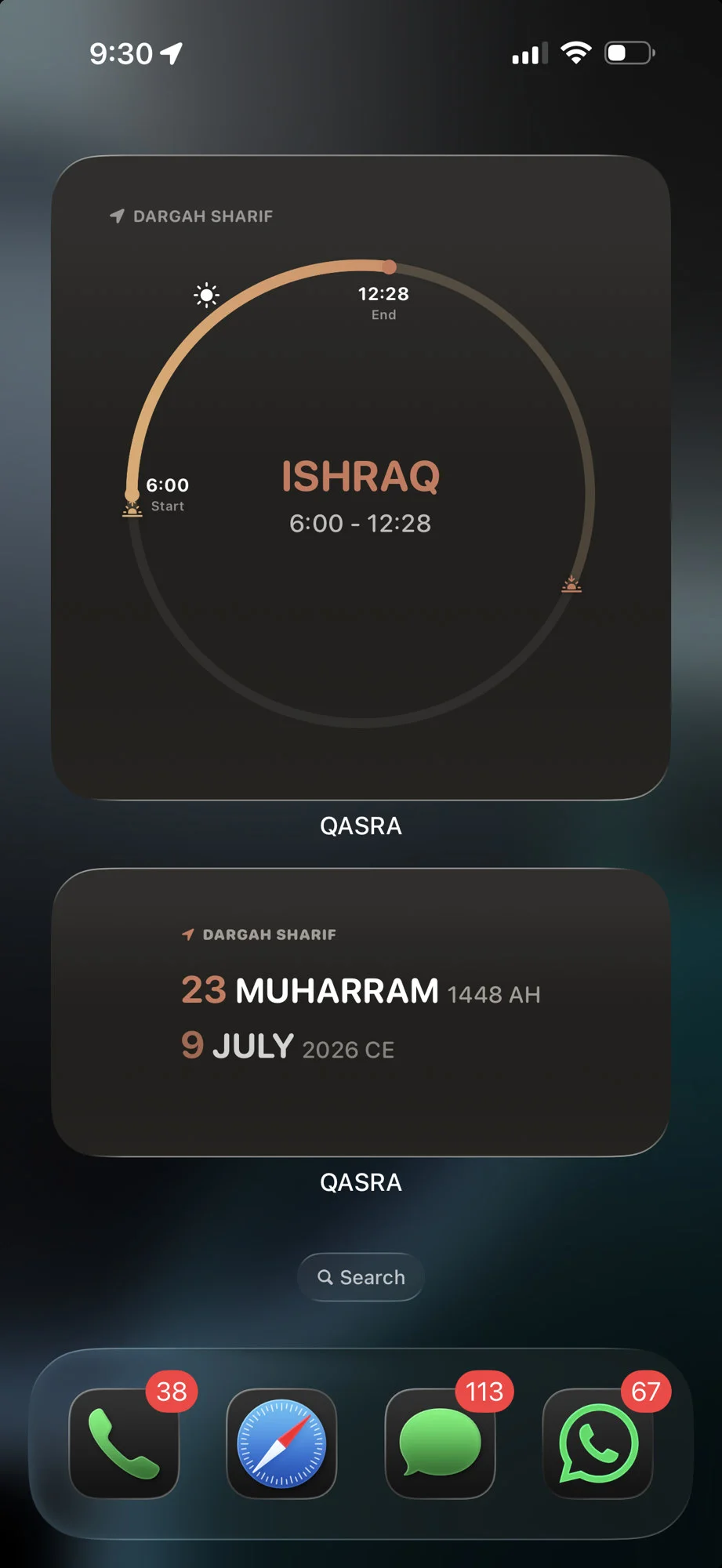
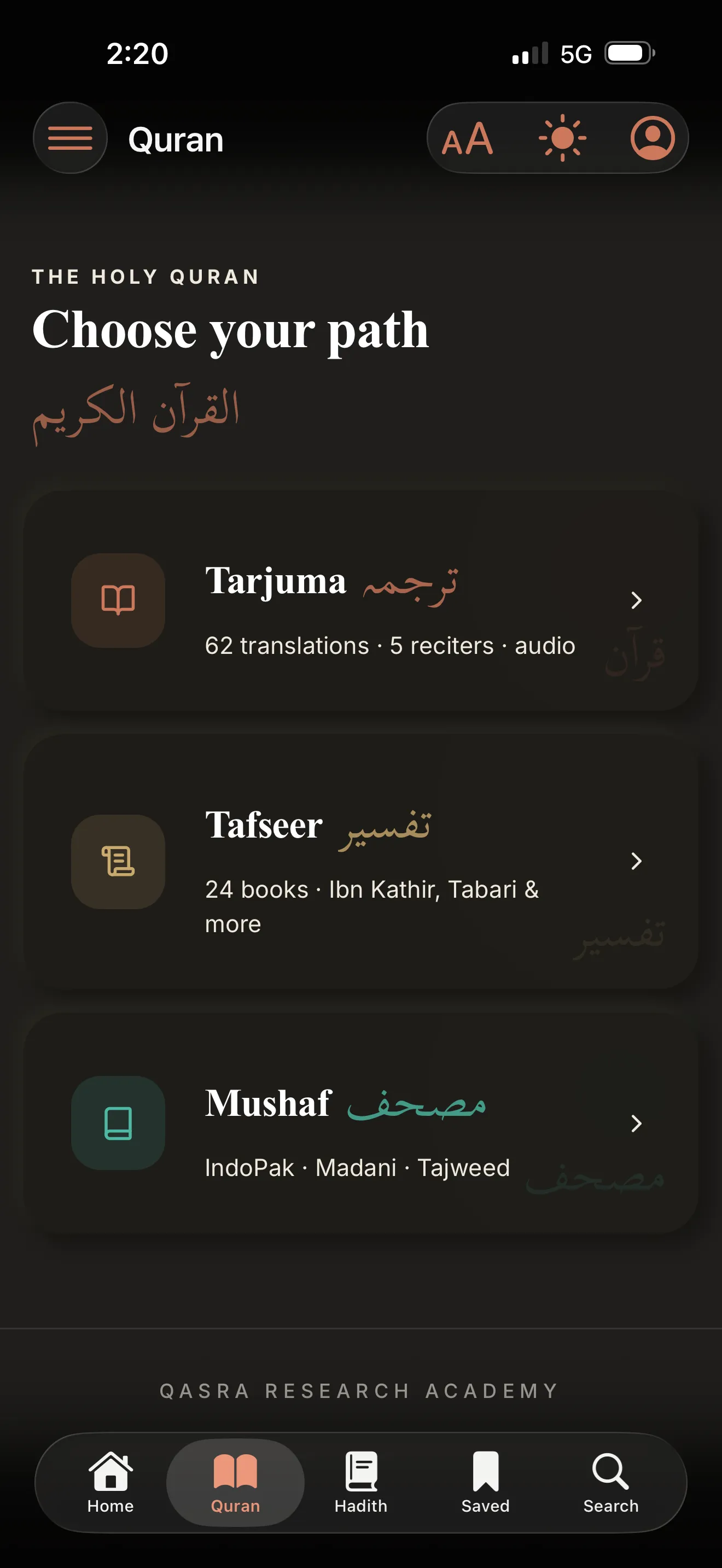
We built QASRA with the same belief. Not to preach. Just to make the books available, free and without ads, for the people who are almost there.
“Knowledge is the lost property of the believer, he takes it wherever he finds it.”
— Prophet Muhammad ﷺ